كنيسة مار يوسف - دير الأحمر
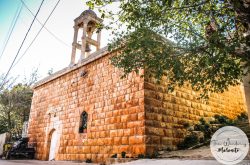
بُنيت الكنيسة سنة ١٩١٤ بعناية ملحم القزح. هي كنيسة رعائيّة مسقوفة. رمّمت أوائل القرن الحاليّ. مذابح الكنيسة الثلاث الرخاميّة وأيقونة مار يوسف محليّة الصنع. أضيفت للكنيسة قبتها أواسط القرن العشرين.
The church of St Joseph - Deir el Ahmar
The church is a parochial church built by Melhem Qozah in 1914. The structure consists of a crib vault that was restored in the beginning of this century. The church holds three marble altars and St Joseph’s icon that are locally made. The bell tower was added in the mid XXth century.
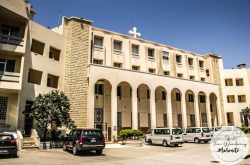
بُني المقرّ البطريركيّ في الربوة سنة ١٩٧٦ على عهد البطريرك مكسيموس الخامس حكيم. داخل المقرّ كابيلا على اسم القدّيسة حنّة جدّة الإله، والمُميّز في هذه الكنيسة أنّها تحفة فنيّة مكسوّة بالكامل بجداريّات تمثّل مواضيع كتابيّة جمّة وأيقونات قدّيسين. الجداريّات من عمل الإيقونوغرافيّ الرومانيّ كوستيل ميسو سنة ٢٠٠٢. The Patriarchal residence of the Greek Melkite Catholics - Rabwe
The Patriarchal residence was built in Rabwe in 1976 during the pontificate of Patriarch Maximos V Hakim. Inside the residence lies a chapel dedicated to St Anne, the grandmother of the Lord, which is completely covered with frescoes. The church is the masterpeice of the Romanian iconograpger Costel Micu in 2002. The frescoes represent various biblical scenes and icons of saints.
كنيسة سيدة اليمونة - Lady of Yammouneh Church, Yammoune, Lebanon
كنيسة سيّدة اليمونة
Yammouneh
Baalbek
Baalbek-Hermel
كنيسة سيّدة اليمونة - اليمونة
أواسط القرن التاسع عشر حمت السيّدة شخصًا من آل ياغي من الغرق فنذر بناء كنيسةٍ لها في اليمونة. الكنيسة صغيرة بعقدٍ مصالبٍ. تشتهر هذه الكنيسة بكونها مقامًا عجائبيّّا يقصده المسيحيّون والشيعة للتبرّك.
The church of our Lady of Yammouneh - Yammouneh
In the mid XIXth century a man from the Yaghy clan was saved from drowning with the miraculous intercession of Our Lady. He dedicated himself to build a church in Yammouneh as an act of thanksgiving. The church is small with a crossed vault. The shrine is considered holy for both christians and Shias, and it is an important pilgrimage site for both religions.
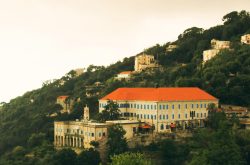
من أهم أديرة غوسطا، أسّسه المطران جرجس خيرالله أسطفان سنة 1660. وفي 14 أيلول 1698 كرّس كنيسة الدير البطريرك أسطفان الدويهي. في العام 1789 وقّع خلفه البطريرك يوسف أسطفان صك تحويل الدير الى مدرسة اكليريكيّة. وافتُتحت مدرسة عين ورقة سنة 1797-1798 على عهد البطريرك يوسف التيّان على قوانين وبرامج المدرسة المارونيّة في روما. ولم تلبث أن ضاهت جامعات أوروبا، فكانت أول جامعة في الشرق، حتى لقّبها مارون عبود بـ"سوربون الشرق"، حيث كانت تدرّس فيها خمس لغات الى جانب العلوم اللاهوتيّة والفلسفيّة. وقد قيل على سبيل المزاح أنّ "دجاجات عين ورقة تتكلم خمس لغات". خرّجت المدرسة أربعة بطاركة وعشرون مطرانًا، وعنها نشأت المدارس الأخرى التي انتشرت في البلاد، وخرّجت روّاد النهضة العربيّة في القرن التاسع عشر. هي اليوم ميتم بعهدة راهبات القربان الأقدس المارونيّات. The monastery of Ain Warqa Located in Ghosta Keserwan, it was built by Bishop Gerges Khairallah Estefan in 1660. The grand church was dedicated by Patriarch Stephen Doueihi on the 14th of September year 1698. During the pontificate of Patriarch Joseph Estephan, the monastery was transformed into a seminary in 1789. The first scholastic year was in 1797-1798 during the pontificate of Patriarch Joseph Tyan, according to the curriculum of the Maronite Grand Seminary in Rome. The reputation of the school was so great that it competed with the grand seminaries of Europe, and ranked first in the Middle East. The seminary was even called by the great author Maroun Abboud “the Sorbone of the East”. The curriculum included five languages, along with theological, philosophical, and scientific studies.The most important alumnus where four patriarchs and twenty bishops, and a great numer of notable writers and scientists that were the pioneers of the Arabic renaissance during the nineteenth century. The school was also named the mother of all schools in Syria and Lebanon. Today it is used as a foster home in the custody of the Maronite sisters of the Most Blessed Sacrament.




Reviews are disabled, but trackbacks and pingbacks are open.